
Proctology
Proctology – Understanding and Managing Anorectal Conditions
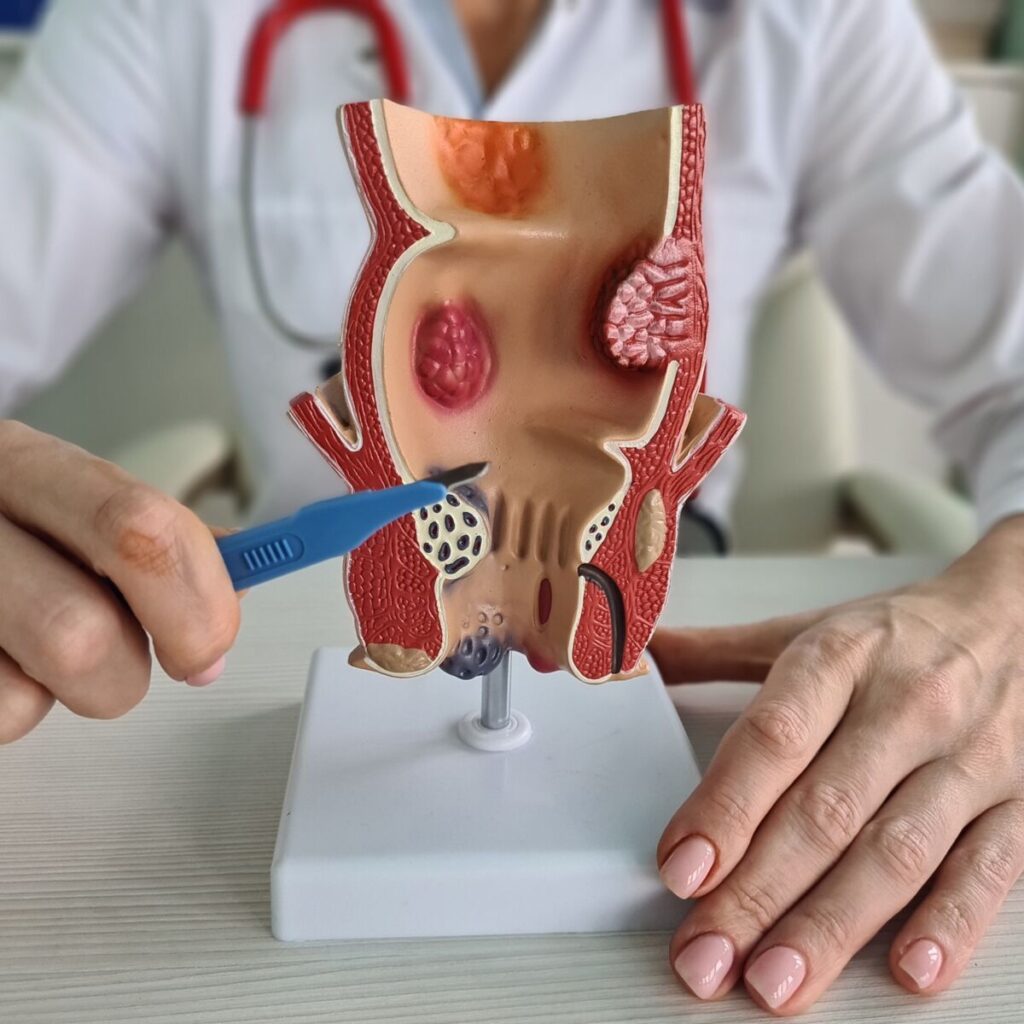
Proctology is a branch of medicine that deals with the diagnosis and treatment of disorders related to the rectum, anus, and surrounding tissues. These conditions are often uncomfortable and may interfere with daily life due to pain, bleeding, or irritation. Modern Proctology, Pimple Saudagar in Pune combines advanced diagnostic methods with minimally invasive treatments to help patients recover quickly and live comfortably.
Proctology focuses on identifying the exact cause of symptoms like pain during bowel movements, bleeding, or discharge, and provides effective solutions ranging from lifestyle management to surgical procedures. Since anorectal conditions can progress silently, early consultation ensures faster recovery and prevents complications.
1. Common Procedures in Proctology
- Hemorrhoidectomy (Open and Stapler Methods)
This procedure treats piles or hemorrhoids, which occur when veins in the rectum become swollen. The open method involves removing these swollen tissues surgically, while the stapler method uses a circular stapling device to cut and reposition the tissue. The stapler method is less painful, offers quicker recovery, and reduces recurrence compared to traditional surgery. - Lateral Internal Sphincterotomy (LIS) for Fissure in Ano
An anal fissure is a small tear in the lining of the anal canal that causes severe pain and bleeding. When medications fail to heal the fissure, LIS surgery is recommended. During the procedure, a small cut is made in the anal sphincter muscle to reduce spasm and improve blood flow, allowing the fissure to heal naturally with minimal discomfort. - Fistula Surgery (LIFT, Decoring, and Complex Fistula Procedures)
An anal fistula is an abnormal tunnel that forms between the anal canal and the skin near the anus, often due to infection. It causes discharge, pain, and swelling. The LIFT procedure (Ligation of Intersphincteric Fistula Tract) is commonly used as it preserves the anal muscles and reduces the risk of recurrence. For more complex fistulas, decoring or flap techniques are performed to remove infected tissue and close the tract effectively. - Pilonidal Sinus Surgery – Limberg Flap Technique
A pilonidal sinus develops near the tailbone when hair and debris get trapped beneath the skin, causing infection and pus formation. The Limberg flap technique removes the infected sinus and reconstructs the area with a healthy tissue flap, reducing recurrence and improving healing. - Hemorrhoid Band Ligation
This is a non-surgical treatment for early-stage piles. A small rubber band is placed at the base of the hemorrhoid to cut off blood supply, causing it to shrink and fall off naturally. The procedure is simple, painless, and requires no hospital stay.
- Hemorrhoidectomy (Open and Stapler Methods)
2. Conditions Treated Under Proctology
Proctology covers a wide range of conditions that affect the lower digestive tract. Some of the commonly treated conditions include:
- Piles (Hemorrhoids)
- Anal Fissure
- Fistula in Ano
- Pilonidal Sinus
- Rectal Prolapse
- Anal Abscess
- Chronic Constipation
- Rectal Bleeding
- Anal Itching and Irritation
These conditions often share similar symptoms, so professional evaluation is essential to determine the correct diagnosis and treatment.
3. When to Seek Proctology Consultation
Ignoring early symptoms of anorectal disorders can lead to chronic problems. It is advisable to consult a specialist if you experience:
- Bleeding while passing stool
- Pain during or after bowel movements
- Persistent itching or burning sensation
- Pus or mucus discharge near the anus
- Swelling or lumps around the anal region
- Difficulty sitting or walking
- Foul odor from discharge
- Constipation or straining during stool
- Repeated infections near the tailbone
Early diagnosis helps avoid severe infection, abscess formation, or complications that may require major surgery later.
4. Diagnostic Methods in Proctology
To identify the exact cause and extent of anorectal disorders, several diagnostic tests may be performed:
- Digital Rectal Examination (DRE) – Initial evaluation of the anal canal and rectum using gloved finger examination.
- Proctoscopy – Visual inspection of the rectum and anal canal using a small illuminated device.
- Colonoscopy – A flexible scope is used to examine the colon for internal bleeding, ulcers, or polyps.
- Sigmoidoscopy – Examines the lower colon for inflammation or growths.
- MRI Fistulogram – Used to detect complex fistula tracts and associated abscesses.
- Ultrasound (Pelvic or Perineal) – Helps in evaluating abscesses or hidden infections.
These tests ensure accurate diagnosis and personalized treatment planning.
5. Advantages of Modern Proctology Treatments
Modern proctology procedures focus on patient comfort and faster recovery. The key benefits include:
- Minimal pain and discomfort
- Shorter hospital stay (often day-care procedures)
- Quicker healing and recovery
- Lower risk of recurrence
- Small or no visible cuts
- Minimal blood loss
- Reduced risk of infection
- Early return to routine activities
Advancements like laser treatments and stapler surgeries have made anorectal care safer, more precise, and less invasive.
6. Post-Treatment and Lifestyle Care
Recovery after proctology procedures requires certain lifestyle adjustments to maintain bowel health and avoid recurrence. Important care tips include:
- Drink at least 2–3 liters of water daily.
- Eat fiber-rich foods like fruits, vegetables, and whole grains.
- Avoid spicy and oily foods that can irritate the digestive tract.
- Maintain regular bowel movements; avoid straining.
- Use sitz baths with warm water to relieve pain and promote healing.
- Keep the anal area clean and dry.
- Exercise regularly to improve digestion.
- Follow prescribed medications and antibiotics properly.
- Avoid heavy lifting until completely healed.
Adopting these habits ensures smoother recovery and prevents reappearance of symptoms.
7. Conclusion
Proctology is an essential medical specialty that helps manage a wide range of rectal and anal conditions effectively. With the development of advanced surgical techniques like stapler hemorrhoidectomy, LIFT procedure for fistula, and Limberg flap surgery for pilonidal sinus, treatment has become safer and less painful. Modern Proctology, Pimple Saudagar in Pune focuses not only on relieving symptoms but also on treating the root cause and preventing recurrence.
Timely diagnosis, proper hygiene, and a balanced diet play a vital role in recovery. Patients are encouraged to seek professional consultation if they experience discomfort, pain, or bleeding during bowel movements. Early treatment ensures faster healing and helps maintain long-term rectal health and comfort.