
Laparoscopic Hernia Surgery
Laparoscopic Hernia Surgery in Pimple Saudagar, Pune
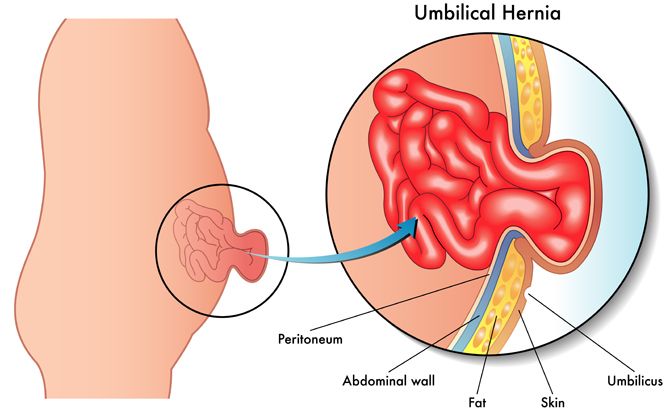
A hernia is a common condition that occurs when an internal organ pushes through a weak spot in the surrounding muscle or tissue. It usually appears as a bulge in areas like the abdomen, groin, or near a previous surgical scar. Many people ignore hernia symptoms, thinking they will go away on their own, but in most cases, treatment is necessary to prevent complications. With modern medical technology, hernias can now be treated safely through minimally invasive methods like laparoscopic surgery. If you are searching for a safer and more comfortable treatment option, Laparoscopic Hernia Surgery in Pimple Saudagar, Pune is considered one of the most effective approaches.
1. What Is a Hernia?
A hernia forms when part of an organ, usually the intestine, pushes out through a weak area in the abdominal wall. It may look like a soft lump that becomes more visible when you cough, stand, or lift something heavy. Some hernias remain painless in the early stage, but over time, they can cause discomfort and complications.
The most common types of hernias include:
- Inguinal hernia – occurs in the groin region
- Femoral hernia – more common in females
- Umbilical hernia – near the belly button
- Incisional hernia – develops at the site of a previous surgery
- Hiatal hernia – part of the stomach pushes into the chest area
- Ventral hernia – anywhere on the abdominal wall
Understanding the type of hernia helps doctors decide the right treatment approach.
2. What Is Laparoscopic Hernia Surgery?
Laparoscopic hernia surgery is a minimally invasive technique where the hernia is repaired through small incisions instead of a large cut. A tiny camera (laparoscope) is inserted into the abdomen, which displays a magnified view on a screen. The surgeon uses special instruments to fix the hernia, strengthen the weak muscle area, and place a mesh to prevent recurrence.
This technique is widely preferred because it offers:
- Smaller wounds
- Less pain
- Faster recovery
- Lower risk of infection
- Better long-term results
Due to these advantages, many people choose Laparoscopic Hernia Surgery in Pimple Saudagar, Pune for safe and effective hernia repair.
3. Who Needs Hernia Surgery?
Not every hernia causes pain in the beginning, but surgery is usually required when:
- The bulge becomes bigger
- You feel discomfort while walking, bending, or lifting
- There is burning or pressure in the hernia area
- Pain increases with activity
- You notice sudden swelling or sharp pain
- You experience nausea or vomiting
- The hernia becomes stuck (incarcerated)
Ignoring hernia symptoms can lead to serious complications, including strangulation, where the blood supply to the intestine gets blocked. This requires emergency surgery.
4. Advantages of Laparoscopic Hernia Surgery
Modern laparoscopic techniques offer several benefits over traditional open surgery.
✅ 1. Minimal scars
Small incisions mean very tiny marks on the skin, providing better cosmetic results.
✅ 2. Less pain
Because muscles are not cut deeply, patients experience less post-operative pain.
✅ 3. Faster healing
Most patients recover within a few days and return to routine activities quickly.
✅ 4. Low risk of infection
Smaller wounds reduce the chance of infection and complications.
✅ 5. Early mobility
Walking and light movements are encouraged within hours of the surgery.
✅ 6. Useful for both-sided hernias
Laparoscopic surgery allows repairing hernias on both sides in a single session.
These advantages make minimally invasive methods a preferred choice among many patients and surgeons.
5.Types of Laparoscopic Hernia Repair
Depending on the condition, surgeons may choose one of the following methods:
🔹 1. TEP (Totally Extraperitoneal Repair)
- Mesh is placed between the layers of the abdominal wall.
- No entry into the abdominal cavity.
- Less risk of complications.
🔹 2. TAPP (Transabdominal Preperitoneal Repair)
- Surgeon enters the abdominal cavity using the laparoscope.
- Mesh is placed to support the weak area.
- Useful when the hernia is complicated or on both sides.
🔹 3. IPOM (Intraperitoneal Onlay Mesh)
- Mesh is placed inside the abdominal cavity.
- Used for ventral or incisional hernias.
The technique is selected based on the type and location of the hernia.
6. How the Surgery Is Done – Step-by-Step
Laparoscopic hernia surgery is performed under general anesthesia. Here is the detailed process:
⭐ Step 1: Pre-surgical evaluation
- Medical history
- Physical examination
- Blood tests
- Ultrasound or CT scan (if needed)
- Fitness check for anesthesia
⭐ Step 2: Small incisions
Three small cuts are made in the abdomen (5–10 mm each).
⭐ Step 3: Laparoscope insertion
A tiny camera is inserted, giving a clear view of the weak muscle area.
⭐ Step 4: Hernia repair
- The protruding organ is gently pushed back to its original position.
- A mesh is placed to strengthen the weak spot.
- This mesh helps prevent future recurrence.
⭐ Step 5: Closing the incisions
The cuts are sealed with absorbable stitches and bandages.
The entire process takes around 30–60 minutes depending on the type of hernia.
Recovery After Laparoscopic Hernia Surgery
Recovery is usually fast and smooth due to the minimally invasive approach.
✅ What patients can expect:
- Walking within a few hours
- Liquid diet on the same day
- Normal diet within 24–48 hours
- Discharge from hospital in 1–2 days
- Returning to work in 4–7 days
- Full recovery within 2–3 weeks
✅ Post-surgery care tips:
- Avoid lifting heavy weights for 4–6 weeks
- Drink plenty of water
- Eat fiber-rich food to avoid constipation
- Keep the surgical site clean and dry
- Follow the medication schedule
- Attend follow-up visits on time
Following the correct care routine helps prevent complications and ensures proper healing.
When to Contact Your Surgeon After Surgery
Though rare, you should seek medical advice if you notice:
- Excess swelling
- Persistent fever
- Redness around the incision
- Severe pain that does not reduce
- Difficulty passing stool
- Vomiting or nausea
- Bleeding or discharge from the wound
Early communication ensures timely treatment and prevents complications.
Why Choose Laparoscopic Hernia Surgery in Pimple Saudagar?
The area offers well-equipped treatment facilities, experienced surgical teams, and advanced laparoscopic technology. Patients benefit from:
- Modern, minimally invasive surgical units
- Faster healing and shorter hospital stay
- Personalized care based on the type of hernia
- Effective long-term results with mesh repair
- Safe and reliable treatment protocols
For many individuals, choosing Laparoscopic Hernia Surgery in Pimple Saudagar, Pune is a preferred option due to the accuracy, comfort, and quick recovery associated with laparoscopic techniques.
7. Conclusion
A hernia does not heal on its own and usually needs medical treatment to avoid complications. Laparoscopic hernia surgery offers a safe, less painful, and faster solution compared to traditional open methods. With small incisions, quicker healing, and better recovery outcomes, this modern approach has become the top choice for many patients. The availability of advanced facilities and skilled professionals makes Laparoscopic Hernia Surgery in Pimple Saudagar, Pune a dependable option for effective hernia repair.