
General Surgery
General Surgery: A Complete Guide to Procedures, Care, and Recovery
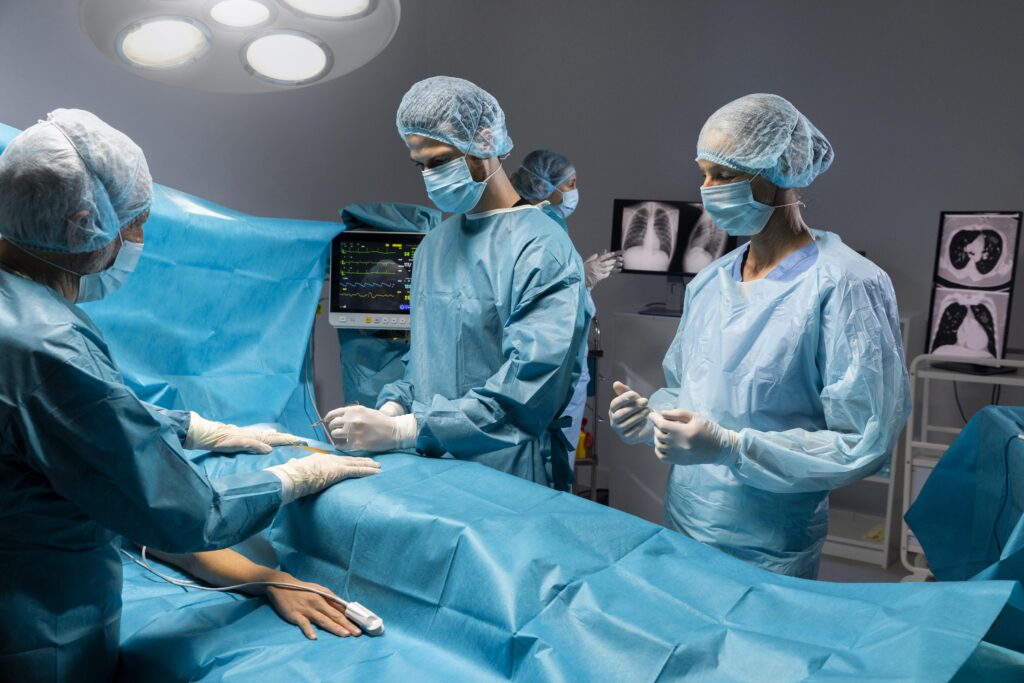
General Surgery covers a wide range of surgical treatments that help manage conditions affecting the abdomen, digestive system, skin, soft tissues, and hernias. With proper diagnosis, the right surgical technique, and structured recovery care, patients can experience long-term relief and improved health. This page provides complete details for anyone seeking General Surgery in Pimple Saudagar, Pune and wants to understand procedures, benefits, and the overall treatment journey.
1. Introduction to General Surgery
What General Surgery Means
General Surgery is a major medical specialty that focuses on diagnosing and treating conditions that require surgical intervention. These surgeries may involve the digestive tract, skin, soft tissues, breasts, abdominal organs, and certain endocrine structures. Surgeons use both open and minimally invasive methods, depending on the complexity of the condition.
The goal of general surgery is simple:
✅ Remove disease
✅ Reduce pain
✅ Prevent complications
✅ Improve long-term health
When Patients Need General Surgery
General surgery becomes necessary when medications, physiotherapy, or lifestyle changes are not enough to treat the condition. Patients often require surgery for problems such as:
- Severe abdominal pain
- Gallbladder stones
- Hernias
- Appendicitis
- Skin lumps or infections
- Soft tissue injuries
- Long-standing digestive issues
If these conditions are ignored, they may worsen and lead to emergencies. That is why timely surgical evaluation helps prevent bigger health risks.
2.Common Conditions Treated in General Surgery
Digestive System Conditions
Appendicitis
This condition occurs when the appendix becomes inflamed or infected. It causes sharp pain in the lower abdomen. If not treated immediately, the appendix can burst and lead to dangerous infection. Surgery is the only permanent solution.
Gallbladder Diseases
Gallstones form when digestive fluids harden inside the gallbladder. They cause pain, nausea, and indigestion. When the stones block the ducts or cause repeated attacks, surgery to remove the gallbladder is recommended.
Hernia
A hernia occurs when an internal organ pushes through a weak muscle area, causing visible swelling and discomfort. Hernias never heal on their own. Surgical repair is required to avoid complications like strangulation of the organ.
Skin & Soft Tissue Conditions
Lipoma
Lipomas are soft, fatty lumps under the skin. They are harmless but can be removed surgically if painful or growing.
Cysts
Cysts are fluid-filled sacs that may develop anywhere on the body. When infected or causing discomfort, surgical removal becomes necessary.
Abscess
An abscess is a painful, pus-filled swelling caused by infection. It needs surgical drainage to prevent further spread.
3. Major General Surgical Procedures
Abdominal Surgeries
Appendectomy
This procedure removes the inflamed appendix. It is usually performed as an emergency to prevent rupture.
Gallbladder Removal (Cholecystectomy)
A surgery to remove the gallbladder when stones or infections cause symptoms. It is commonly performed laparoscopically for quicker recovery.
Hernia Repair Surgeries
Open Hernia Repair
A single incision is made to fix the hernia using stitches or mesh. It is preferred for larger or complicated hernias.
Laparoscopic Hernia Repair
This technique uses tiny cuts and a camera. It offers faster healing, less pain, and minimal scarring for suitable patients.
4. Laparoscopic vs Open Surgery
What Is Laparoscopic Surgery?
Laparoscopic surgery is a minimally invasive method that uses small cuts, a camera, and fine instruments. It reduces trauma to the body, speeds up recovery, and results in less visible scarring. Many modern procedures fall under this technique.
Benefits of Laparoscopic Surgery
- Smaller Cuts: Only tiny incisions are made.
- Faster Healing: Patients return to daily routine sooner.
- Less Pain: Minimal tissue damage means reduced discomfort.
- Shorter Hospital Stay: Many patients go home faster.
When Open Surgery Is Needed
Open surgery is recommended when:
- The condition is complex
- Infection is widespread
- Tumor removal requires full visibility
- Emergency access is needed Both techniques are chosen based on patient safety and long-term health outcomes.
5. Before, During & After the Surgery
Pre-Surgery Evaluation
Medical Tests
Blood tests, imaging scans, ECG, and physical examinations help check the patient’s readiness for surgery.
Lifestyle Advice
Patients may be advised to avoid smoking, adjust medications, and fast for a few hours. These steps help reduce risks during surgery.
What Happens During Surgery
During the operation, anesthesia ensures the patient feels no pain. The surgical team monitors vital signs continuously. Based on the condition, the surgeon performs either laparoscopic or open surgery while ensuring maximum safety.
Post-Surgery Recovery Care
Diet Advice
Patients begin with light meals and gradually return to normal food. This supports smooth digestion and healing.
Activity Guidelines
Heavy lifting and intense physical activity must be avoided initially. Light walking improves blood flow and prevents stiffness.
Warning Signs
Seek medical help if symptoms like fever, increased pain, swelling, or unusual discharge appear.
6. Role of a General Surgeon
Responsibilities of a General Surgeon
A General Surgeon evaluates symptoms, diagnoses conditions, performs surgeries, handles complications, and guides patients during recovery. Their role is essential in emergencies, trauma care, and planned operations.
Skills & Expertise Required
Decision-Making Skills
Surgeons must make timely and accurate decisions.
Surgical Precision
High accuracy reduces risks and ensures better outcomes.
Patient Care
A responsible surgeon explains the condition, treatment options, and recovery process clearly to the patient.
7. Conclusion
General Surgery plays a major role in managing conditions related to the abdomen, digestive system, skin, and soft tissues. With advanced surgical methods such as laparoscopy and expertly performed open procedures, patients receive safe and effective treatment. Whether the surgery is for hernias, appendicitis, gallbladder issues, or skin conditions, proper evaluation and guided recovery ensure a smooth healing experience. For anyone seeking reliable and comprehensive General Surgery in Pimple Saudagar, Pune, understanding these procedures helps create confidence in the treatment journey.