
Endoscopy
Endoscopy: Procedure, Uses, and Recovery
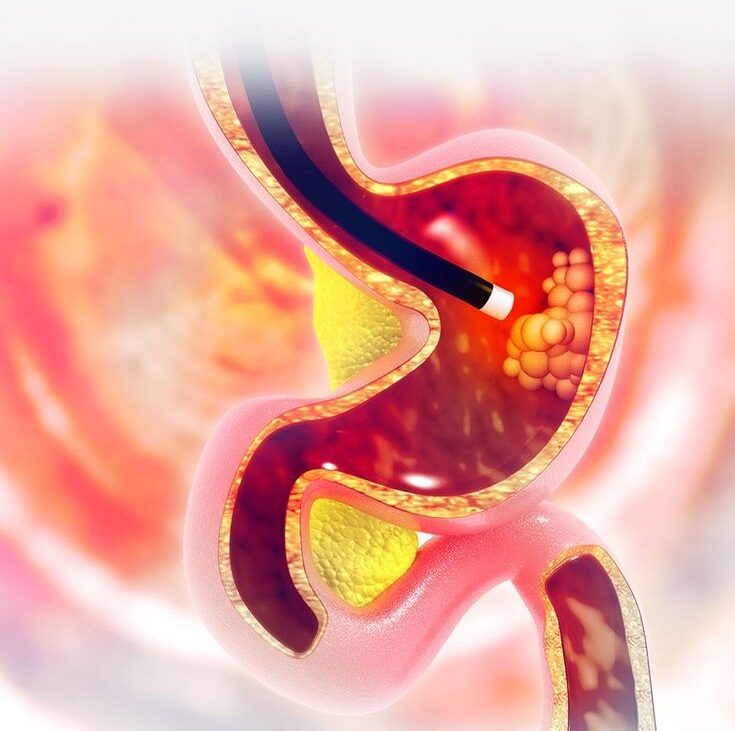
Modern medical science has made it possible to view and examine internal organs without major surgery. Endoscopy is one such advanced diagnostic and therapeutic procedure that helps doctors identify, monitor, and even treat various internal conditions in a safe, minimally invasive way.
Many patients prefer Endoscopy in Pimple Saudagar, Pune for its quick results, accuracy, and comfortable recovery.
1. What Is Endoscopy?
Endoscopy is a medical procedure in which a long, flexible tube with a light and camera, called an endoscope, is inserted into the body. The camera provides real-time images of internal organs, allowing doctors to detect abnormalities, take biopsies, or perform minor treatments.
Depending on the organ being examined, the endoscope may be inserted through the mouth, nose, or a small incision. This allows detailed viewing of organs like the stomach, intestines, and esophagus without the need for open surgery.
2. Why Is Endoscopy Performed?
Endoscopy is used both for diagnostic and therapeutic purposes.
Doctors may recommend it to:
- Diagnose digestive tract problems like ulcers, bleeding, or inflammation
- Detect infections, tumors, or blockages
- Take tissue samples (biopsies) for further testing
- Remove foreign objects from the body
- Treat bleeding blood vessels
- Place feeding tubes when needed
By offering both visualization and treatment, endoscopy helps avoid multiple invasive surgeries.
3. Types of Endoscopy Procedures
There are different types of endoscopic procedures depending on the area of the body being examined. Some of the most common include:
1. Diagnostic Gastroscopy
Gastroscopy involves inserting an endoscope through the mouth to view the esophagus, stomach, and upper part of the small intestine.
It helps in diagnosing:
- Ulcers
- Gastritis
- Gastroesophageal reflux disease (GERD)
- Tumors or bleeding
Doctors may also take a biopsy if an abnormal area is seen. The procedure usually takes 15–20 minutes and causes minimal discomfort.
2. Colonoscopy
A colonoscopy allows doctors to view the large intestine (colon) and rectum using a long, flexible endoscope inserted through the rectum.
It is commonly performed to:
- Screen for colorectal cancer
- Detect polyps or growths
- Investigate bleeding or bowel habit changes
If polyps are found, they can be removed during the same procedure, preventing future complications.
3. Foreign Body Removal
Sometimes small objects or food items may accidentally get lodged in the throat, esophagus, or stomach. Endoscopy allows doctors to remove these objects safely without open surgery.
This is especially useful in children and elderly patients. Using specialized tools through the endoscope, the foreign object is carefully extracted under direct vision.
4. Variceal Banding / Sclerotherapy
These are therapeutic procedures performed through endoscopy to stop bleeding from enlarged veins (varices) in the esophagus or stomach.
- Banding: Elastic bands are placed around the bleeding vein to close it off.
- Sclerotherapy: A special solution is injected into the vein to shrink it.
Both techniques help control internal bleeding effectively and prevent recurrence.
5. Percutaneous Endoscopic Gastrostomy (PEG)
In cases where a patient cannot eat or swallow, a PEG tube can be inserted using endoscopy.
This tube allows nutrition to be given directly into the stomach.
It is a safe, long-term feeding option for patients with neurological or swallowing disorders.
4. Preparation Before Endoscopy
Proper preparation ensures clear visibility and accurate results.
- Fasting: Patients are advised not to eat or drink for 6–8 hours before the test.
- Medication: Certain medications like blood thinners may need to be stopped temporarily.
- Bowel Cleaning: For colonoscopy, a special solution is given to clean the bowel before the procedure.
- Allergies: Inform the doctor about any medication or anesthesia allergies.
The entire preparation process is explained by the medical team in advance.
5. What Happens During the Procedure?
- The patient is made comfortable on the examination table.
- A mild sedative or local anesthesia is given to prevent discomfort.
- The endoscope is gently inserted through the mouth (for gastroscopy) or rectum (for colonoscopy).
- The camera transmits images to a monitor, allowing the doctor to examine internal structures.
- If required, small instruments are passed through the endoscope to take samples or perform treatment.
The entire procedure usually lasts between 15 and 45 minutes.
6. After the Procedure
Most patients can go home within a few hours. Temporary symptoms may include:
- Mild throat irritation
- Gas or bloating
- Slight discomfort in the abdomen
These usually resolve within a day.
If tissue samples were taken, results are typically available within a few days.
7. Recovery and Post-Procedure Care
Recovery after endoscopy is quick and simple.
Key recovery points include:
- Rest for a few hours after returning home
- Avoid driving or operating machinery for 24 hours if sedatives were used
- Start with light meals and fluids
- Follow your doctor’s instructions for medicines and diet
If any unusual symptoms like bleeding, fever, or severe pain occur, contact the doctor immediately.
Advantages of Endoscopy
Endoscopy has several important benefits compared to traditional diagnostic methods:
- Minimally invasive
- No large incisions
- Low risk of infection
- Quick recovery
- High diagnostic accuracy
- Can treat and diagnose in a single procedure
Because of these advantages, Endoscopy in Pimple Saudagar, Pune has become a preferred choice for patients seeking advanced, precise care.
Risks and Complications
Though rare, some potential risks include:
- Bleeding (especially after biopsy)
- Perforation (a small tear in the organ wall)
- Reaction to sedatives
- Infection (very uncommon)
When performed by skilled specialists, these risks are minimal.
When to Consult a Doctor for Endoscopy
You should consider consulting a doctor for an endoscopy if you experience:
- Unexplained stomach pain
- Persistent vomiting
- Difficulty swallowing
- Rectal bleeding or blood in stool
- Sudden weight loss
- Chronic indigestion or heartburn
Early diagnosis can prevent serious complications and ensure effective treatment.
8. Conclusion
Endoscopy is a safe, accurate, and effective procedure that plays a vital role in diagnosing and treating many digestive conditions. By allowing doctors to view internal organs directly, it reduces the need for open surgeries and ensures faster recovery. Whether it’s a simple diagnostic test or a therapeutic procedure like variceal banding or PEG placement, patients can rely on Endoscopy in Pimple Saudagar, Pune for expert, minimally invasive care. With proper preparation, skilled hands, and modern equipment, endoscopy ensures both comfort and clarity in every diagnosis.