
Laparoscopic Colorectal Surgery
Laparoscopic Colorectal Surgery: Conditions Treated, Benefits & Procedures
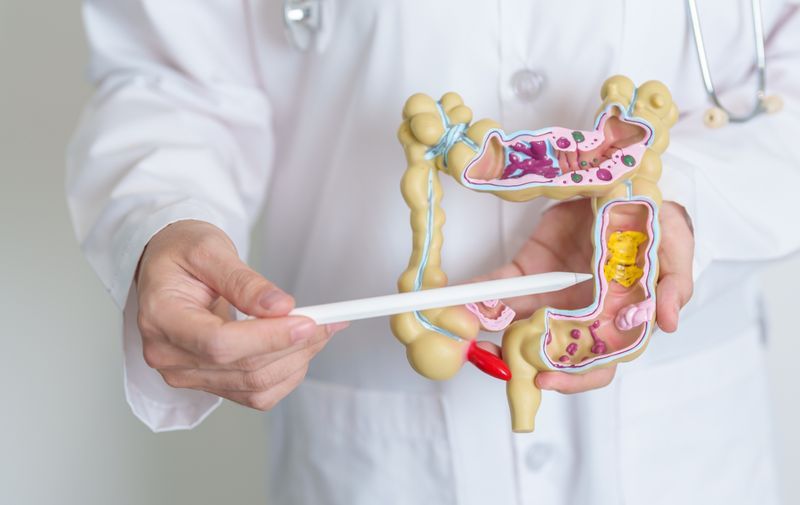
Colorectal problems such as polyps, diverticulitis, colorectal cancer, severe constipation, and bowel obstruction can significantly affect daily activities and overall digestive health. These conditions often bring abdominal pain, bloating, bleeding, discomfort during passing stool, and sudden changes in bowel habits. With the advancement of surgical technology, many colorectal conditions can now be treated through minimally invasive methods. Laparoscopic Colorectal Surgery in Pimple Saudagar is becoming a preferred choice for patients who want effective treatment with faster recovery and minimal scarring.
Colorectal surgery deals with the colon, rectum, and anus—areas responsible for smooth bowel function and waste removal. Traditionally, colorectal surgeries required large abdominal cuts, causing more pain and longer hospital stays. But with laparoscopic surgery, surgeons operate through very small incisions using a high-resolution camera. This modern approach offers better visibility, precise surgical movements, and a more comfortable experience for the patient.
1. What Is Laparoscopic Colorectal Surgery?
Laparoscopic colorectal surgery is a minimally invasive technique used to treat diseases of the large intestine and rectum. Instead of a long open incision, the surgeon creates 3 to 4 small cuts and inserts a thin tube with a magnified camera known as a laparoscope. This provides a clear view of the internal organs and allows the surgeon to operate with high accuracy.
This advanced method is used for several colorectal conditions like colon cancer, rectal cancer, diverticular disease, large polyps, inflammatory bowel diseases such as Crohn’s and ulcerative colitis, bowel obstruction, and chronic constipation that does not improve with medication. With the growing availability of modern healthcare, Laparoscopic Colorectal Surgery in Pimple Saudagar is helping many patients receive timely and effective treatment.
2. Why Laparoscopic Surgery Is Better Than Open Surgery
Compared to traditional open surgery, laparoscopy offers a range of major benefits. Patients experience significantly less pain because the cuts are very small. The chances of infection are also lower, and blood loss during the procedure is minimal. Another big advantage is faster healing—the small incisions allow patients to move early, recover quickly, and get back to work sooner.
Cosmetic results are better as well since the scars are tiny and barely visible. A shorter hospital stay also means less discomfort and lower overall treatment burden. Because of these multiple benefits, laparoscopic methods are now preferred by both doctors and patients.
3. Conditions Treated Through Laparoscopic Colorectal Surgery
A wide range of colorectal disorders can be managed using laparoscopic techniques.
Colorectal cancer is one of the most common conditions treated using this method. In early stages, the affected part of the colon or rectum can be removed precisely, reducing the risk of cancer spreading. Diverticulitis, a condition where small pouches in the colon become inflamed, is also effectively managed through laparoscopy, as the damaged section can be removed without large cuts.
Patients with large or complex polyps that cannot be removed with colonoscopy benefit from this surgery. For inflammatory bowel diseases like Crohn’s and ulcerative colitis, surgery is needed when certain segments become severely damaged. Rectal prolapse, where the rectum slips out of its normal place, is also corrected through minimally invasive surgery. Even bowel obstructions caused by strictures or twisted segments can be treated safely with laparoscopy.
How Laparoscopic Colorectal Surgery Works
The laparoscopic procedure follows a systematic and well-planned approach.
Before surgery, the doctor reviews the patient’s medical history, blood tests, colonoscopy findings, and imaging scans to understand the exact condition. This ensures the surgery is safe and appropriate. On the day of surgery, general anesthesia is given to keep the patient completely comfortable.
The surgeon then makes 3–4 tiny incisions in the abdomen. A laparoscope is inserted through one of the openings, and additional fine instruments are inserted through the others. With a clear magnified view of the colon and rectum, the surgeon removes the diseased part or repairs the damaged area. After completing the procedure, the small cuts are stitched, leading to minimal scarring.
This minimally invasive technique improves surgical precision and reduces the physical strain on the patient, making Laparoscopic Colorectal Surgery in Pimple Saudagar a highly reliable option.
When Should You Consider Laparoscopic Colorectal Surgery?
Certain symptoms indicate that surgical evaluation is necessary. Persistent abdominal pain, blood in stool, unexplained weight loss, or long-term changes in bowel habits are signs of colorectal problems. Recurrent constipation or diarrhea, chronic rectal bleeding, and repeated infections also suggest underlying issues. These symptoms should not be ignored because delaying treatment may lead to complications that require more complex procedures.
Recovery After Laparoscopic Colorectal Surgery
The recovery process after laparoscopic colorectal surgery is generally smooth and quick. Most patients can walk within the first 24 hours, which helps improve blood flow and prevents complications. Eating light meals is usually allowed within one to two days, depending on the patient’s condition. Hospital stay is shorter—typically around two to four days—and many patients return to normal activities within two to three weeks.
Proper after-care helps ensure a healthy recovery. Doctors usually advise drinking enough water, eating fiber-rich food, avoiding heavy lifting, and taking all prescribed medicines regularly. Follow-up appointments are important to monitor healing. Any unusual symptoms like excessive bleeding, fever, or severe stomach pain should be reported immediately.
Who Is the Right Candidate for Laparoscopic Colorectal Surgery?
Not all colorectal issues require surgery, but when they do, laparoscopy is often recommended. Patients who want faster recovery, minimal scarring, and less postoperative pain are good candidates. The doctor evaluates overall health, test reports, and disease severity before confirming whether laparoscopy is the best option. In most cases, patients are able to undergo this minimally invasive procedure without difficulty.
Why Choose Laparoscopic Colorectal Surgery in Pimple Saudagar?
Pimple Saudagar has developed into a strong medical hub with advanced laparoscopic units, modern equipment, and skilled surgeons specializing in colorectal conditions. Patients receive precise diagnosis, personalized treatment, and high-quality surgical care. The use of modern technology ensures safer surgeries and smoother recovery. Whether the condition is cancer-related, inflammatory, or due to obstruction, the treatment facilities available ensure reliable and effective outcomes.
4. Conclusion
Colorectal conditions can seriously affect digestive comfort and long-term health if not treated on time. With the advancement of minimally invasive methods, laparoscopic surgery has become one of the safest and most effective solutions. It offers less pain, faster healing, and better surgical precision. With skilled specialists and modern technology, Laparoscopic Colorectal Surgery in Pimple Saudagar provides patients with a dependable approach to regain health, comfort, and confidence in daily life.