
Laparoscopic Surgery
Laparoscopic Surgery: A Complete Guide to Modern Minimally Invasive Procedures
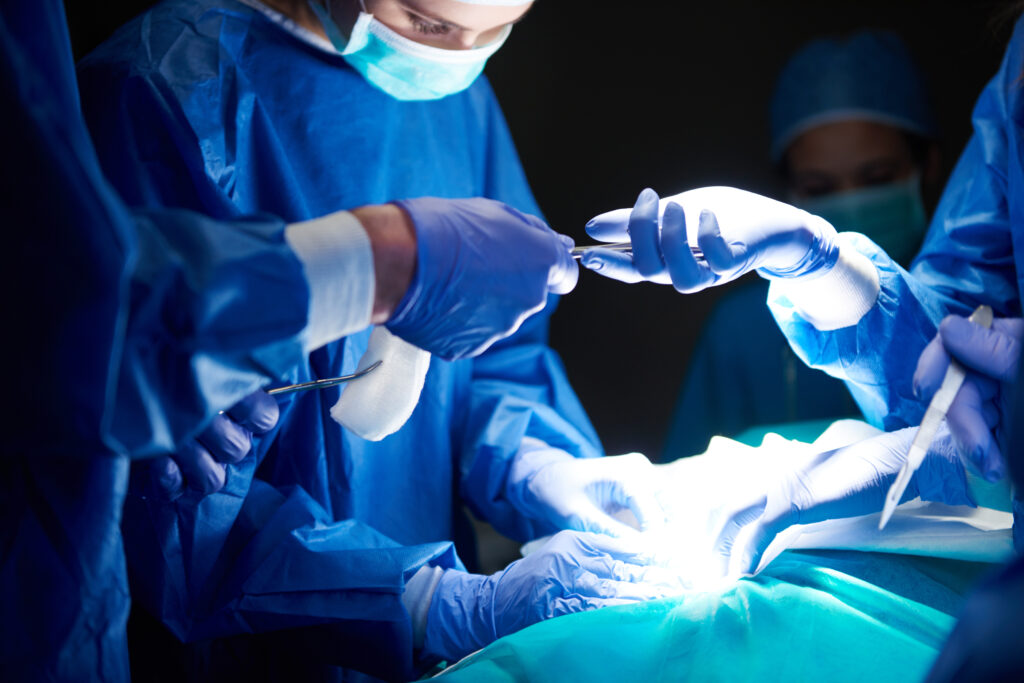
Laparoscopic surgery is a modern, minimally invasive surgical approach that allows doctors to diagnose and treat conditions through very small cuts. Instead of large incisions used in traditional surgery, laparoscopy uses tiny openings, advanced instruments, and a camera-attached tube called a laparoscope. This method is widely preferred today because it provides faster healing, less pain, and a quicker return to routine life.
Today, many patients look for safe, precise, and effective treatment options that support quick recovery. Laparoscopic procedures are designed exactly for that purpose. These surgeries help treat a wide range of abdominal and digestive problems with minimal discomfort.
Laparoscopic surgery in Pimple Saudagar, Pune focuses on offering modern surgical care using advanced tools, clear visualization, and precise techniques that make procedures safer and more comfortable for the patient. Each laparoscopic procedure is performed with the goal of reducing hospital stay, lowering infection risk, and ensuring faster healing.
1.What Is Laparoscopy?
Laparoscopy is a procedure where surgeons insert a thin tube fitted with a camera through small cuts in the abdomen. This camera sends high-quality images to a monitor, helping the surgeon see internal organs clearly and perform the surgery with accuracy.
Because of its precision, laparoscopy is used for many abdominal conditions, including gallstones, appendicitis, hernias, reflux issues, and more.
The method is widely chosen because it avoids the need for large incisions, which means less bleeding, very small scars, and faster healing time. Many patients return to daily activities much sooner than with open surgery.
2. Benefits of Laparoscopic Surgery
- Smaller incisions: Cuts are typically less than 1 cm.
- Minimal blood loss: Advanced instruments reduce bleeding during surgery.
- Lower infection risk: Smaller wounds heal faster with reduced chance of infection.
- Less pain after surgery: Patients experience less discomfort compared to open surgery.
- Quick recovery: Many people resume work in a few days, depending on the procedure.
- Better cosmetic results: Tiny scars become almost invisible over time.
3. Common Laparoscopic Procedures Offered
Below are the key laparoscopic treatments performed for different abdominal and digestive conditions. Each surgery is explained clearly so patients understand the purpose, process, and benefits.
Laparoscopic Cholecystectomy (Gallbladder Removal)
This procedure is done for gallstones or gallbladder infections. The gallbladder is removed through small incisions using a camera and fine instruments.
Patients often experience symptoms like pain after meals, bloating, nausea, or sudden severe pain on the right side. Laparoscopic gallbladder surgery is considered the safest and most effective treatment.
Advantages:
- Less post-operative pain
- Early return to diet
- Minimal scarring
Same-day or next-day discharge
Laparoscopic Appendicectomy (Appendix Removal)
This surgery is performed when the appendix becomes inflamed or infected (appendicitis). It is considered an emergency procedure in most cases.
The surgeon removes the appendix using tiny cuts and a laparoscope.
Why it is recommended:
- Prevents complications like perforation
- Faster healing
- Reduced risk of wound infection
Quick return to normal routine
Laparoscopic Inguinal Hernia Repair (TAPP / TEP)
An inguinal hernia occurs when internal tissues bulge through a weak spot in the groin area. Laparoscopic hernia repair strengthens the weak area using a mesh.
There are two main techniques:
- TAPP (Transabdominal Preperitoneal)
- TEP (Totally Extraperitoneal)
Both methods provide durable repair and long-term relief.
Benefits of laparoscopic hernia repair:
- Smaller scars compared to open surgery
- Less pain in the groin
- Faster recovery for active individuals
Reduced chances of hernia recurrence
Laparoscopic Umbilical / Ventral Hernia Repair
Umbilical and ventral hernias occur when tissues push through the abdominal wall near the navel or central abdomen. Through keyhole surgery, the hernia sac is repaired and the abdominal wall is strengthened with a mesh.
What patients experience:
- A bulge near the navel
- Discomfort during bending, lifting, or coughing
Laparoscopic repair minimizes pain and speeds up return to daily tasks.
Laparoscopic Gastropexy
Gastropexy is performed to fix the stomach in a stable position, commonly done for conditions like gastric volvulus (twisting of the stomach).
Using laparoscopy, the stomach is secured to the abdominal wall, preventing future twisting and reducing symptoms like severe pain or difficulty swallowing.
Key benefits:
- Quick recovery
- Reduced risk of complications
Minimal surgical trauma
Laparoscopic Fundoplicatio
This surgery is recommended for patients suffering from chronic acid reflux or GERD (Gastroesophageal Reflux Disease).
In this procedure, the upper part of the stomach is wrapped around the lower esophagus to prevent acid from flowing upward.
Helps patients with:
- Persistent heartburn
- Regurgitation
- Chest discomfort
- Sour taste in the mouth
Laparoscopic fundoplication offers long-term relief from reflux symptoms.
Laparoscopic Cardiomyotomy (For Achalasia)
This surgery is done to treat achalasia, a condition where the lower esophageal muscle does not relax properly, making swallowing difficult.
Through laparoscopy, the tight muscle fibers are cut so food can pass smoothly into the stomach.
Results commonly seen:
- Improved swallowing
- Decreased chest pain
- Better eating comfort
- Long-term symptom relief
4. Why Patients Prefer Laparoscopic Procedures
People choose laparoscopic treatment because of its simplicity, comfort, and faster recovery. The precision of the camera allows surgeons to operate safely around delicate organs. For many abdominal conditions, laparoscopic surgery is now considered the standard method due to its excellent outcomes and minimal complications.
Patients also appreciate the shorter hospital stay, quicker return to routine activities, and the fact that post-operative care becomes easier with smaller wounds.
5. Conclusion
Laparoscopic surgery provides a modern, safe, and effective solution for many abdominal and digestive conditions. With smaller cuts, reduced pain, and faster healing, it has become the preferred approach for procedures such as gallbladder removal, appendix surgery, hernia repair, reflux treatment, and more.
Patients benefit from minimal discomfort and a quicker return to their normal routine. Whether it is a simple diagnostic procedure or a major abdominal repair, laparoscopic methods ensure precision and comfort throughout the treatment journey.